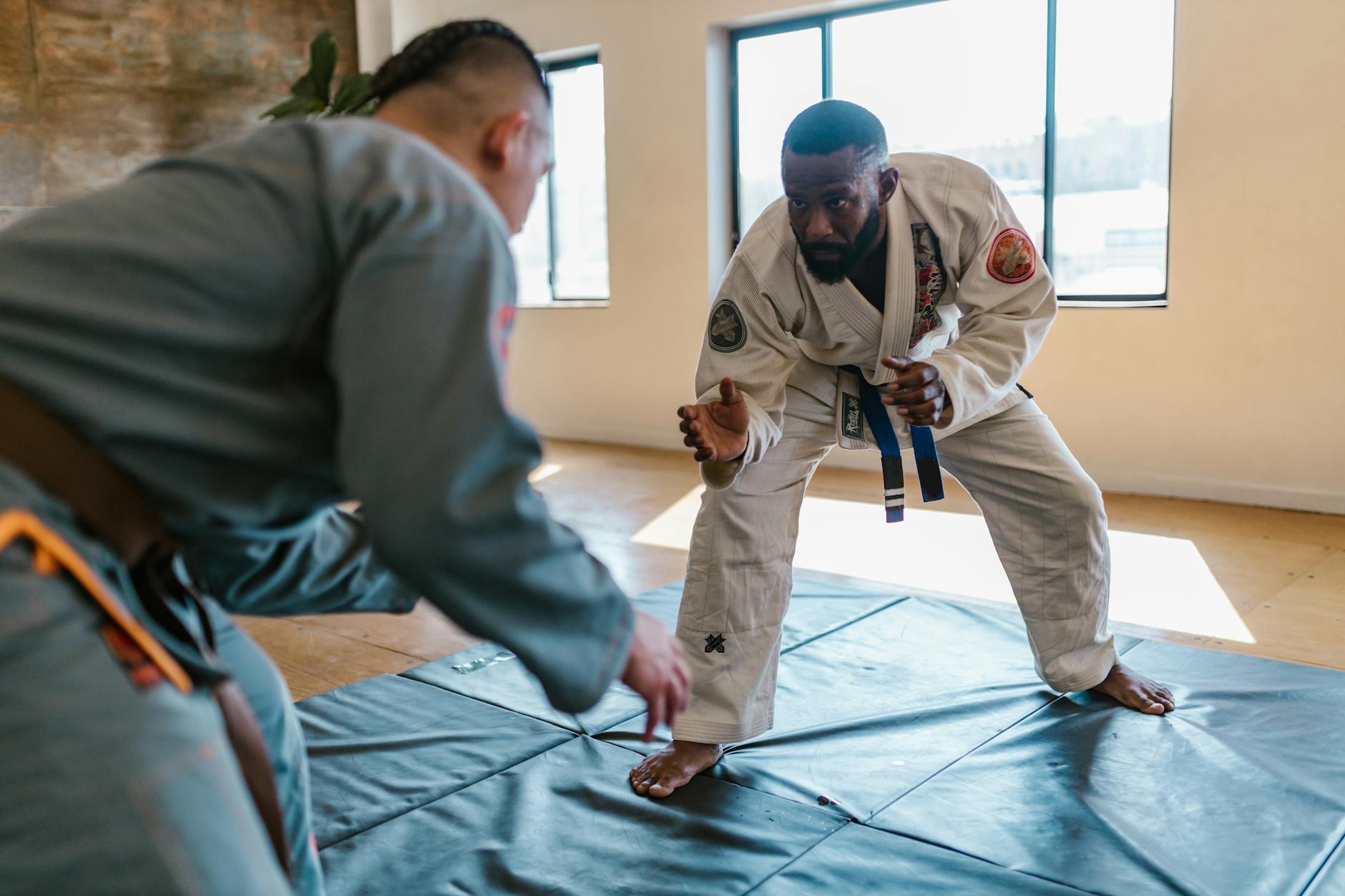
As athletes and practitioners of Brazilian Jiu-Jitsu (BJJ), we are constantly seeking ways to enhance our performance on the mats. One concept that has gained traction in recent years is EPOC, or Excess Post-Exercise Oxygen Consumption. Understanding EPOC and how it relates to our training can provide valuable insights into optimizing our physical capabilities and improving our overall performance in Jiu-Jitsu.
The Science Behind EPOC
EPOC can last anywhere from a few hours to several days, depending on the intensity and duration of the exercise performed. Factors influencing EPOC include:
- Intensity of Exercise: High-intensity workouts lead to a greater EPOC effect. This means that the harder you push yourself during training, the more oxygen your body will consume post-exercise.
- Duration of Exercise: Longer workout sessions can lead to a more pronounced EPOC effect. This is particularly relevant for Jiu-Jitsu, where rolling sessions can last anywhere from 5 to 10 minutes or longer, requiring sustained effort.
- Type of Exercise: Compound movements and high-energy activities that engage multiple muscle groups typically result in higher EPOC values.
What is EPOC?
EPOC refers to the increased rate of oxygen intake following strenuous exercise, which is necessary to restore the body to its resting state. This phenomenon is often colloquially referred to as the “afterburn effect.” During high-intensity training, your body depletes its energy stores and produces lactate. After you finish exercising, your body works hard to replenish these energy stores, clear lactate, and return to homeostasis. This process requires energy, and as a result, your body continues to burn calories at an elevated rate long after you’ve left the gym.
EPOC and Jiu-Jitsu Performance
So how does EPOC relate specifically to Jiu-Jitsu? Here are several key benefits to consider:
1. Enhanced Caloric Burn
The afterburn effect means that your body will continue to burn calories at an elevated rate even after your Jiu-Jitsu training session has ended. This is particularly beneficial for those looking to maintain a healthy weight or improve their body composition. Incorporating high-intensity drills or sparring sessions can maximize this effect and support your fitness goals.
2. Improved Recovery
EPOC is linked to various recovery processes within the body. By engaging in high-intensity BJJ sessions, you promote cardiovascular fitness, improve metabolic function, and enhance your body’s ability to recover from strenuous activity. This means that the more effectively you can recover, the better prepared you’ll be for your next training session or competition.
3. Increased Aerobic Capacity
Regularly training at high intensities contributes to improved aerobic capacity. EPOC signifies that your body is adapting to higher levels of exertion, leading to increased endurance on the mats. This is especially important in Jiu-Jitsu, where matches can be physically demanding and prolonged. Enhanced aerobic capacity allows you to maintain a higher level of performance throughout your training and competitions.
4. Mental Toughness
Pushing through high-intensity training not only builds physical strength but also mental resilience. Engaging in challenging rolls or drills can improve your mental fortitude, which is crucial in a sport that demands both physical and psychological toughness. Learning to manage fatigue and maintain focus during challenging situations will translate into better performance during competitions.
5. Skill Application Under Fatigue
High-intensity training that elevates EPOC allows practitioners to work on their skills while fatigued, simulating the conditions of a competitive match. This is invaluable for Jiu-Jitsu athletes, as it enables you to refine your techniques and decision-making abilities when you’re not at your freshest.
How to Incorporate EPOC-Enhancing Training in Jiu-Jitsu
To take advantage of EPOC in your Jiu-Jitsu training, consider the following strategies:
- Interval Training: Incorporate high-intensity interval training (HIIT) sessions into your routine, alternating between periods of intense effort and short rest. This can be applied to drills or conditioning work specific to BJJ.
- Sparring: Engage in intense sparring sessions with a focus on maintaining a high pace. Vary the intensity and duration of your rolls to keep your body adapting.
- Strength Training: Add compound movements and circuit training into your strength routine. Exercises like squats, deadlifts, and kettlebell swings can elevate your heart rate and increase EPOC.
- Mind Your Nutrition: Ensure you’re fueling your body appropriately to support high-intensity training. Post-workout nutrition is crucial for recovery and maximizing the benefits of EPOC.
Conclusion
Sign up with Coach Dave, jiu-jitsu purple belt, in Fort Collins, Colorado for one on one or group coaching programs today.
Apply below to see if you qualify for coaching.
Leave a Reply